Organizations do not need more speakers. They need more listeners. When listening becomes culture, everything transforms.
We invest billions in communication training, but almost nothing in listening development. We celebrate the eloquent presenter, the persuasive speaker, the charismatic leader. But who celebrates the profound listener?
Listening is not passive. It is one of the most active things a human being can do. True listening requires us to set aside our agendas, our judgments, our need to respond. It asks us to be fully present with another person's reality.
When an organization develops a culture of deep listening, remarkable things happen. Innovation increases — because people feel safe sharing unconventional ideas. Conflict decreases — because most disagreements stem from feeling unheard. Engagement rises — because being listened to is one of the deepest human needs.
Building this culture requires leaders who model it. When the CEO listens more than they speak, when managers prioritize understanding over instructing, when meetings begin with inquiry rather than advocacy — the culture begins to shift.
It also requires structural changes. Meetings designed for dialogue, not monologue. Feedback systems that truly invite honesty. Spaces — physical and psychological — where people feel safe to speak their truth.
The transformation happens slowly, then suddenly. One person models deep listening. Others notice. They begin to listen more carefully too. Over time, a new pattern emerges. The organization begins to think together in ways that weren't possible before.
This is the hidden power of listening: it is contagious. When we feel truly heard, we become better at hearing others. The culture shifts one conversation at a time.
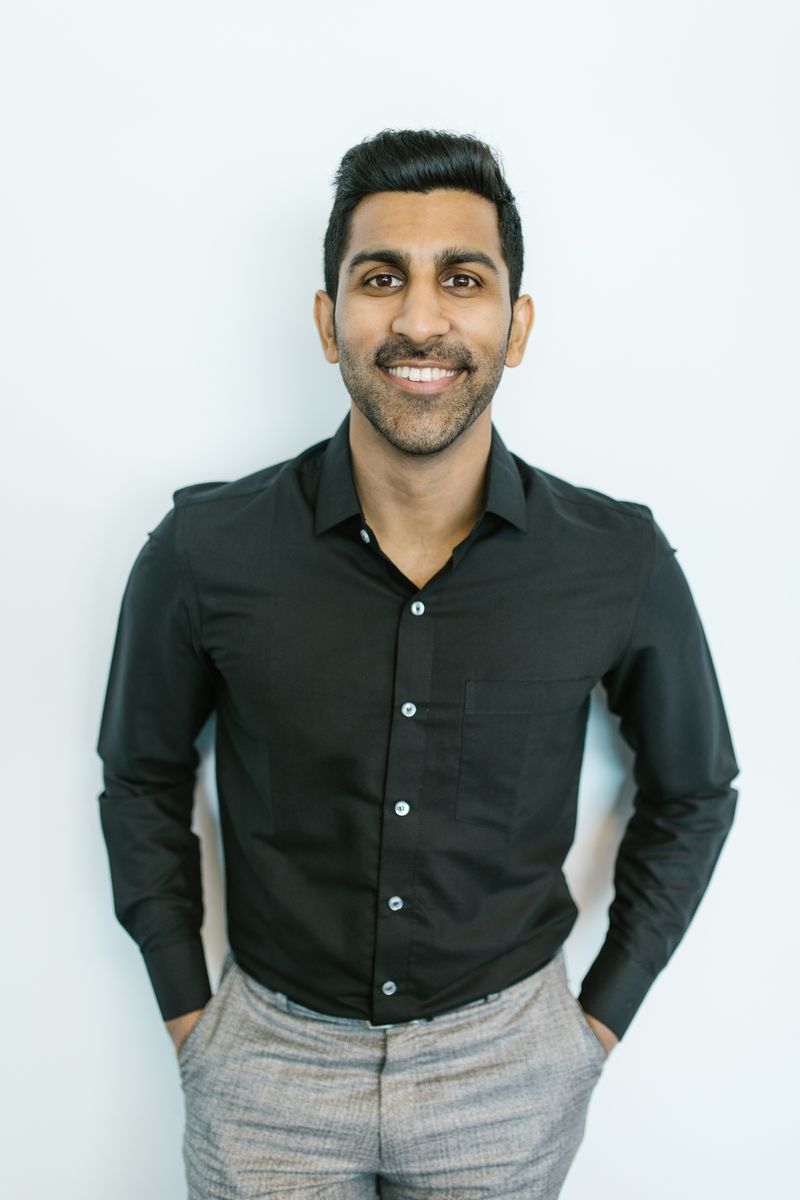
Dinkar Rao
Founder, The Human Frequency